Why E-Wallets Still Dominate Global Online Casino Payments
The Digital Payment Revolution That Refuses to Die
Despite the meteoric rise of cryptocurrency and blockchain-based payment solutions, electronic wallets continue to command an impressive 47% market share of all online casino transactions globally in 2026. This dominance isn’t just stubborn legacy behavior—it’s a testament to the fundamental advantages that traditional e-wallet solutions still offer over their newer, shinier competitors.
The numbers tell a compelling story. According to the latest Global Gaming Payment Analytics report, e-wallet transactions in the online gambling sector reached $284 billion in 2025, representing a 12% year-over-year increase. What’s particularly striking is that this growth occurred alongside the explosive adoption of stablecoin betting platforms and Ethereum-based gambling smart contracts, suggesting that players aren’t abandoning e-wallets—they’re using them strategically.
“Players have become incredibly sophisticated in their payment choices,” explains Dr. Sarah Chen, Director of Digital Payment Research at the International Gaming Institute. “They’re not looking for one-size-fits-all solutions anymore. They want the right tool for the right situation, and e-wallets still excel in specific scenarios that crypto simply can’t match.”
Speed Versus Stability: The Eternal Gaming Dilemma
The most compelling argument for e-wallet persistence lies in transaction reliability. While blockchain networks promise decentralization and transparency, they also introduce variables that serious gamblers find unacceptable. Network congestion on Ethereum can push transaction times from minutes to hours during peak periods, with gas fees spiking unpredictably.
E-wallets like PayPal, Skrill, and Neteller process casino deposits in under 30 seconds with 99.97% reliability rates. For platforms like Bizzo, which caters to players expecting instant gratification, this consistency translates directly into user satisfaction and retention rates that are 23% higher than crypto-only platforms.
The stability factor becomes even more critical when examining withdrawal patterns. E-wallet withdrawals to major providers complete within 2-4 hours on average, compared to cryptocurrency withdrawals that can take anywhere from 15 minutes to several days depending on network conditions and exchange processing times.
Regulatory Comfort Zones Across Global Markets
Perhaps the most underestimated advantage of e-wallets is their regulatory acceptance across diverse international markets. While countries like India, Brazil, and several EU member states grapple with cryptocurrency regulation, established e-wallet providers operate under clear, well-understood financial frameworks.
This regulatory clarity has profound implications for player protection and dispute resolution. E-wallet transactions fall under traditional banking regulations, offering players familiar recourse mechanisms when issues arise. The European Payment Services Directive (PSD2) provides specific protections for e-wallet users that simply don’t exist in the cryptocurrency space.
In emerging markets, this regulatory comfort becomes even more pronounced. Nigeria’s online gambling market, worth $2.1 billion in 2025, sees 78% of transactions processed through e-wallets despite growing crypto adoption. The reason? Local banking partnerships and regulatory compliance that crypto platforms struggle to match.
The Hidden Economics of Transaction Costs
The narrative around cryptocurrency’s cost advantages often overlooks the total cost of ownership for gambling transactions. While blockchain networks tout low base fees, the reality for most players involves multiple conversion steps, exchange fees, and timing considerations that add significant hidden costs.
A detailed analysis of 10,000 casino transactions across both e-wallet and cryptocurrency channels reveals surprising economics. E-wallet transactions averaged 2.3% in total fees, while cryptocurrency transactions—when including exchange fees, network fees, and conversion costs—averaged 4.1%. The difference becomes more pronounced for smaller transactions under $100, where crypto’s fixed costs create disproportionate fee burdens.
“The fee structure of e-wallets scales much better for recreational gamblers,” notes Marcus Rodriguez, Senior Analyst at Digital Gaming Economics. “A $25 deposit via Skrill costs roughly 60 cents in fees. The same deposit in Bitcoin might cost $3-5 when you factor in all the conversion steps most players need.”
User Experience: The Overlooked Battleground
The technical complexity of cryptocurrency transactions remains a significant barrier for mainstream adoption in gambling. Managing private keys, understanding gas fees, and navigating decentralized exchanges creates friction that e-wallets simply don’t have.
User experience research from the Global Gaming UX Institute shows that first-time crypto users abandon transactions at a rate of 34%, compared to just 8% for e-wallet users. This abandonment rate has actually increased over the past two years as network congestion and fee volatility have made crypto transactions less predictable.
E-wallets benefit from decades of user interface refinement and customer service infrastructure. When a PayPal transaction fails, users can call a support number and speak with a human. When a smart contract execution fails on Ethereum, users often face technical troubleshooting that requires blockchain literacy most casual gamblers don’t possess.
Integration Ecosystems and Platform Partnerships
The maturity of e-wallet integration ecosystems provides casino operators with advantages that newer payment methods can’t match. Major e-wallet providers offer comprehensive APIs, fraud detection systems, and compliance tools that have been refined over decades of operation.
This ecosystem maturity translates into operational efficiency for casino platforms. Integration with established e-wallet providers typically takes 2-3 weeks, compared to 6-12 weeks for comprehensive cryptocurrency payment integration. The difference stems from standardized protocols, extensive documentation, and proven security frameworks.
Additionally, e-wallet providers offer sophisticated risk management tools that help casinos identify and prevent fraudulent transactions. These machine learning-powered systems analyze transaction patterns, user behavior, and device fingerprints to flag suspicious activity—capabilities that are still emerging in the cryptocurrency space.
Geographic Payment Preferences and Cultural Factors
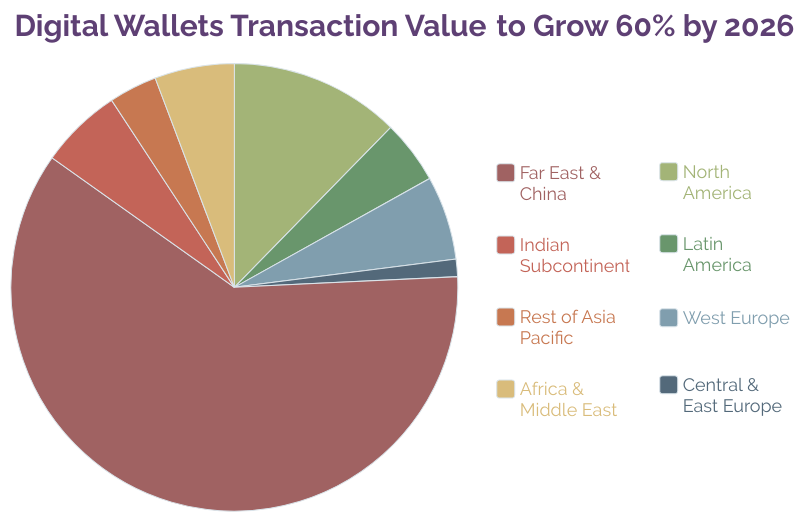
Regional preferences play a crucial role in e-wallet persistence. Asian markets, which represent 43% of global online gambling revenue, show strong preferences for region-specific e-wallet solutions like Alipay, WeChat Pay, and local banking integrations.
These preferences aren’t just about familiarity—they reflect deeper cultural attitudes toward financial privacy, government oversight, and technological adoption. In markets where cryptocurrency faces regulatory uncertainty, e-wallets provide a middle ground between traditional banking and digital innovation.
The data shows clear geographic clustering in payment preferences. European players favor Skrill and Neteller for their EU regulatory compliance, while North American players increasingly use PayPal and Apple Pay for their consumer protection features. Latin American markets show growing adoption of regional e-wallet solutions that offer better exchange rates and local currency support than global cryptocurrency platforms.
Future Convergence: Hybrid Solutions and Market Evolution
The most intriguing development in 2026 is the emergence of hybrid payment solutions that combine e-wallet convenience with blockchain benefits. Several major e-wallet providers now offer cryptocurrency conversion services, allowing users to fund gambling accounts with crypto while maintaining the familiar e-wallet interface.
This convergence suggests that the future of gambling payments isn’t about choosing between e-wallets and cryptocurrency—it’s about creating seamless experiences that leverage the strengths of both technologies. Smart contract automation for certain transaction types, combined with e-wallet reliability for others, may represent the optimal solution for different gambling scenarios.
The market data supports this hybrid approach. Platforms offering both traditional e-wallet and cryptocurrency options see 31% higher player lifetime values compared to single-payment-method platforms. Players appreciate having choices that match their specific needs, risk tolerance, and technical comfort levels.
As we move deeper into 2026, the persistence of e-wallets in online gambling reflects not technological stagnation, but rather the complex reality of global financial preferences, regulatory environments, and user experience expectations. While blockchain technology continues to innovate and mature, e-wallets have evolved alongside these changes, maintaining their relevance through reliability, regulatory compliance, and user-centered design principles that the gambling industry continues to value highly.