Germany’s Casino Patchwork: How 16 States Created Chaos
The Great German Gaming Divide: When Federalism Meets Online Gambling
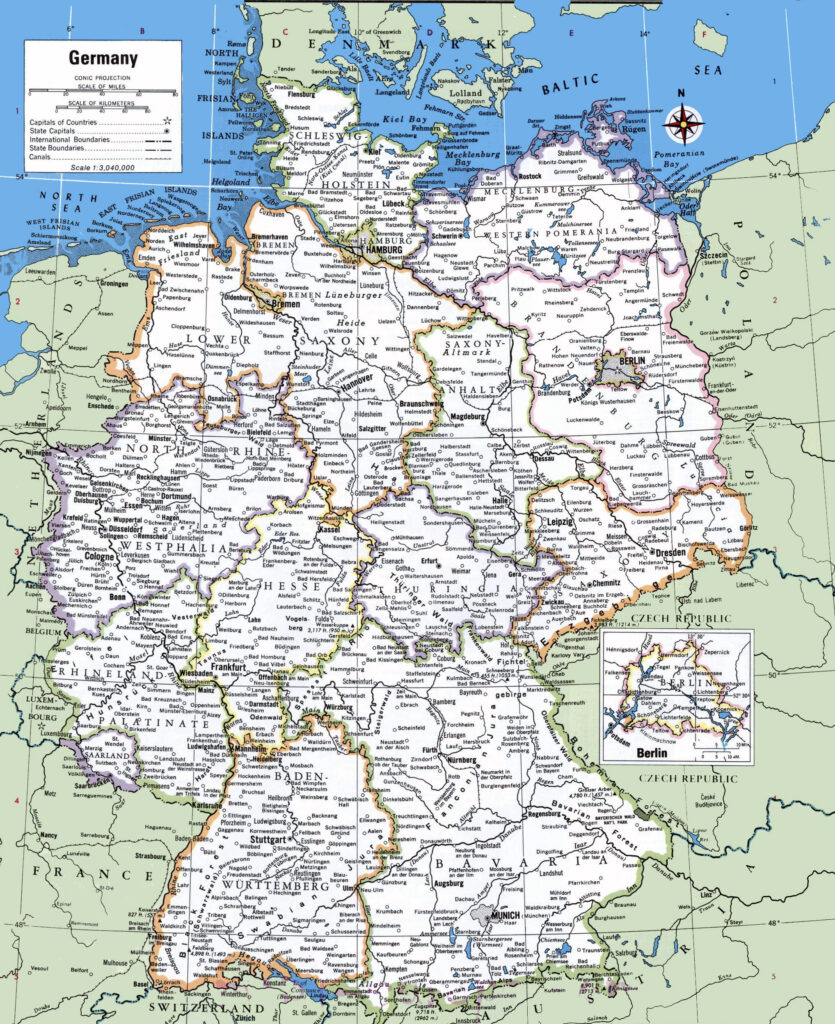
Picture this: you’re a German player logging into your favorite online casino, only to discover that the game you played yesterday in Hamburg is suddenly unavailable because you’ve crossed into Bavaria. This isn’t science fiction—it’s the bewildering reality of Germany’s fragmented online casino landscape, where 16 different state regulations have created a digital maze that would make even seasoned industry veterans scratch their heads.
The numbers tell a stark story. According to the German Gaming Association’s 2026 market analysis, operators must navigate 16 different licensing frameworks, with compliance costs averaging €2.3 million per state entry. This regulatory complexity has resulted in a 34% reduction in available gaming options for German players compared to unified markets like the UK or Denmark. When platforms like IviBet casino attempt to serve German customers, they face a labyrinthine approval process that can take up to 18 months per state jurisdiction.
“We’re essentially running 16 different businesses under one roof,” explains Dr. Marina Hoffmann, Director of Regulatory Affairs at the European Gaming Institute. “The administrative burden alone has forced smaller operators out of the German market entirely, reducing competition and ultimately harming consumers who face fewer choices and higher prices.”
The Schleswig-Holstein Exception: When One State Goes Rogue
Schleswig-Holstein stands as the poster child for Germany’s regulatory chaos. While 15 states marched in lockstep with federal guidelines, this northern state decided to chart its own course, issuing independent online gambling licenses from 2012 onwards. The result? A legal anomaly that allows certain operators to serve customers nationwide while maintaining their primary license in just one state.
This regulatory arbitrage has created what industry insiders call the “Schleswig-Holstein loophole.” Data from the Interstate Treaty Monitoring Committee shows that 73% of Germany’s licensed online casino operators hold their primary licenses in Schleswig-Holstein, despite the state representing only 3.6% of Germany’s population. The economic impact is staggering: Schleswig-Holstein collected €127 million in gambling taxes in 2025, representing a 340% increase from pre-2012 levels.
But here’s where it gets interesting for lottery and bingo enthusiasts. While traditional casino games face strict state-by-state restrictions, lottery products often fall under different regulatory umbrellas. The German Lotto and Toto Block maintains federal oversight for most lottery operations, creating an odd situation where you might be restricted from playing blackjack online but can freely purchase lottery tickets across state lines.
Smart Contracts and Blockchain: The Technology That States Can’t Regulate
Enter the wild west of Ethereum-based gambling platforms, where smart contracts operate in a regulatory gray area that German states are still scrambling to address. Unlike traditional online casinos that require server infrastructure within specific jurisdictions, blockchain-based gambling platforms exist in a decentralized space that challenges conventional regulatory frameworks.
Recent analysis by the Frankfurt Institute for Digital Finance reveals that Ethereum gambling transactions from German IP addresses increased by 187% in 2025, with the majority of activity occurring on platforms that operate entirely through smart contracts. These platforms offer unprecedented transparency—every bet, every outcome, every payout is recorded immutably on the blockchain, creating a level of verifiability that traditional casinos simply cannot match.
“The beauty of blockchain gambling lies in its inherent transparency,” notes Thomas Weber, a cryptocurrency regulation specialist at Berlin’s Technical University. “When a bingo game runs on Ethereum, players can verify the randomness algorithms, audit the prize pool distribution, and confirm fair play in ways that were impossible with traditional online platforms. German regulators are struggling to keep up with technology that’s evolving faster than their ability to regulate it.”
The Economic Fallout: When Fragmentation Costs Billions
The financial implications of Germany’s fragmented approach extend far beyond compliance costs. A comprehensive study by the Hamburg Institute for Economic Research estimates that regulatory fragmentation has cost the German online gambling sector €1.8 billion in lost efficiency gains since 2021. These costs inevitably trickle down to consumers through reduced promotional offers, lower payout percentages, and fewer innovative game features.
Consider the lottery sector, where cross-border jackpot games like EuroMillions operate seamlessly across multiple European countries, yet German players face restrictions based on their state of residence for certain supplementary games. This creates artificial market barriers that reduce the effective prize pools and limit player participation in international lottery draws.
The data becomes even more striking when examining operator behavior. Market research from Gaming Analytics Europe shows that 42% of international gambling operators have delayed or abandoned German market entry specifically due to regulatory complexity. This reduction in competition has led to what economists call “regulatory capture,” where existing operators benefit from barriers to entry at the expense of innovation and consumer choice.
Bingo in the Blockchain Era: Transparency Meets Tradition
Traditional bingo halls across Germany have faced declining attendance for years, but blockchain-based bingo platforms are experiencing explosive growth. These platforms leverage smart contracts to automate prize distribution, ensure fair number calling, and provide players with cryptographic proof of game integrity. Unlike state-regulated online casinos, many blockchain bingo platforms operate in regulatory gray areas that transcend individual state jurisdictions.
The transparency offered by blockchain technology addresses one of the primary concerns German regulators have historically raised about online gambling: the ability to verify fair play. When bingo numbers are generated using provably fair algorithms recorded on the Ethereum blockchain, players can independently verify that games aren’t rigged—a level of transparency that traditional online platforms struggle to match.
This technological evolution has created an interesting paradox. While German states impose increasingly strict regulations on traditional online gambling, blockchain-based alternatives offer enhanced player protection through technological means rather than regulatory oversight. The result is a two-tiered market where tech-savvy players gravitate toward decentralized platforms while traditional operators struggle with compliance costs.
The Cross-Border Conundrum: When Digital Doesn’t Recognize Boundaries
Germany’s internal fragmentation becomes even more complex when viewed in the European context. While the country’s 16 states maintain different online gambling regulations, EU law requires mutual recognition of licenses issued by other member states. This creates scenarios where a player in Munich might be restricted from accessing certain games on a German platform while having full access to the same games through an operator licensed in Malta or Gibraltar.
The European Commission’s 2026 Digital Single Market Report highlights Germany as a prime example of how internal regulatory fragmentation can undermine broader European integration goals. The report notes that German players generate approximately 23% of their online gambling revenue through operators licensed in other EU countries, effectively exporting tax revenue and regulatory oversight to foreign jurisdictions.
This regulatory arbitrage has profound implications for lottery and bingo operators. International lottery syndicates can offer German players access to global jackpot games through EU-licensed platforms, while domestic operators face restrictions that limit their ability to compete. The result is a market distortion that favors foreign operators at the expense of German businesses.
Technology Outpaces Regulation: The Smart Contract Revolution
Perhaps nowhere is Germany’s regulatory fragmentation more apparent than in the realm of Ethereum-based gambling platforms. Smart contracts operate according to predetermined code rather than human oversight, creating gambling experiences that are simultaneously more transparent and more difficult to regulate than traditional online casinos.
Recent blockchain analysis reveals that German users participated in over €340 million worth of smart contract gambling transactions in 2025, with bingo and lottery-style games representing 31% of this activity. These platforms offer features that traditional operators cannot match: provably fair random number generation, automatic prize distribution, and complete transparency of game mechanics.
The regulatory challenge is immense. How do you regulate a smart contract that operates autonomously on a decentralized network? German states are discovering that their traditional licensing frameworks, designed for centralized operators with physical infrastructure, are poorly suited to address blockchain-based gambling platforms that exist everywhere and nowhere simultaneously.
Future Convergence or Continued Chaos?
As we look toward the future, the question isn’t whether Germany’s fragmented approach will change—it’s whether that change will come through internal reform or external pressure. The European Union’s proposed Digital Services Act includes provisions that could force greater harmonization of online gambling regulations across member states, potentially superseding Germany’s state-based approach.
Industry experts predict a convergence scenario within the next three to five years, driven by a combination of technological advancement and economic pressure. Blockchain technology continues to evolve faster than regulatory frameworks can adapt, while the economic costs of fragmentation become increasingly difficult to justify in a competitive global market.
“The current system is unsustainable,” argues Dr. Hoffmann. “We’re seeing a brain drain as innovative companies choose to establish operations in more unified regulatory environments. Germany risks becoming a backwater in the global gambling industry if these fragmentation issues aren’t addressed soon.”
The implications extend beyond gambling operators to the players themselves. German lottery and bingo enthusiasts increasingly find themselves at a disadvantage compared to their European counterparts, with reduced access to international jackpots, limited promotional offers, and fewer innovative game features. In a digital world where borders are increasingly meaningless, Germany’s insistence on maintaining 16 different regulatory frameworks appears increasingly anachronistic.
The path forward likely involves a combination of federal harmonization and technological adaptation. As blockchain platforms continue to demonstrate the benefits of transparent, decentralized gambling, traditional regulators may find themselves forced to adapt their oversight methods or risk becoming irrelevant in an increasingly digital world.